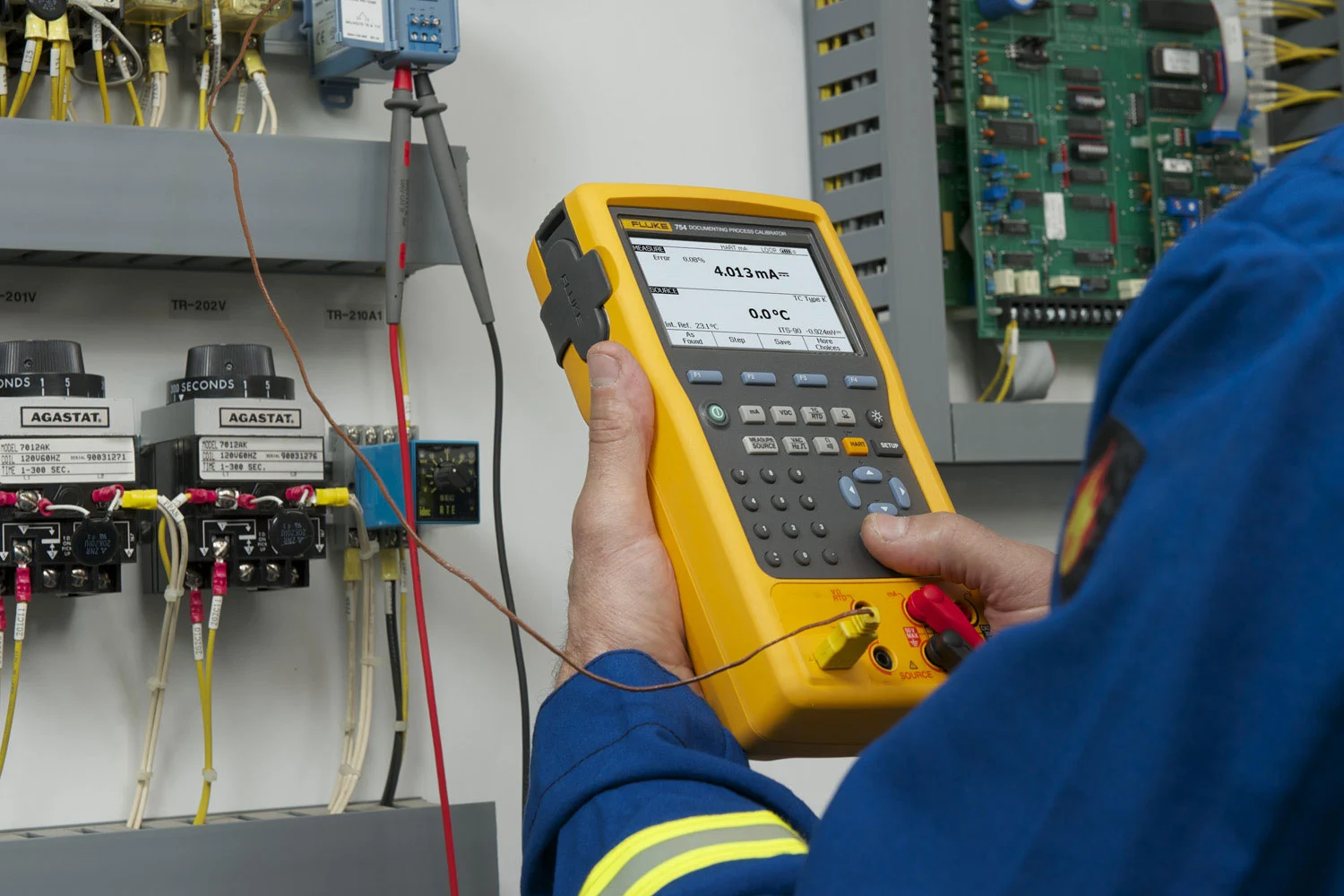
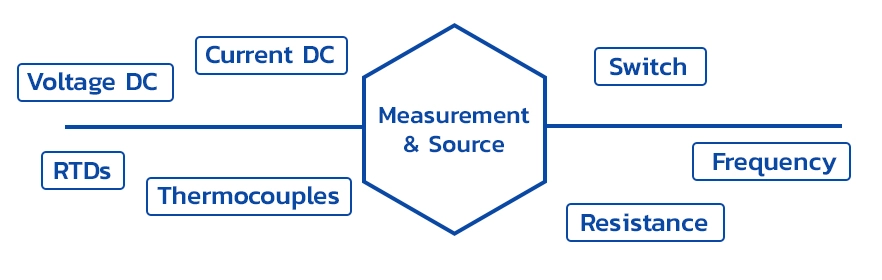
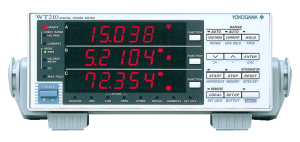
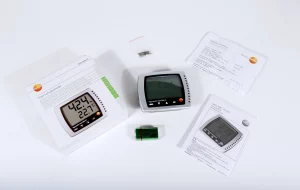
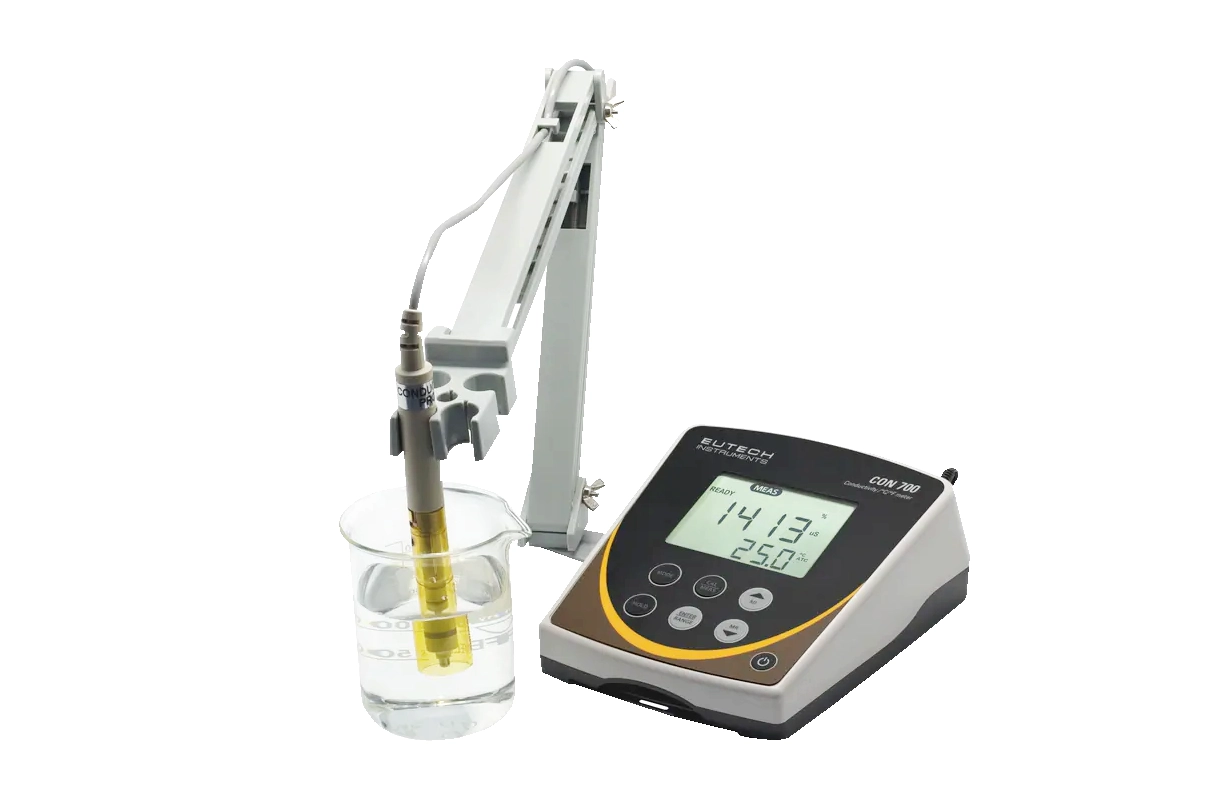
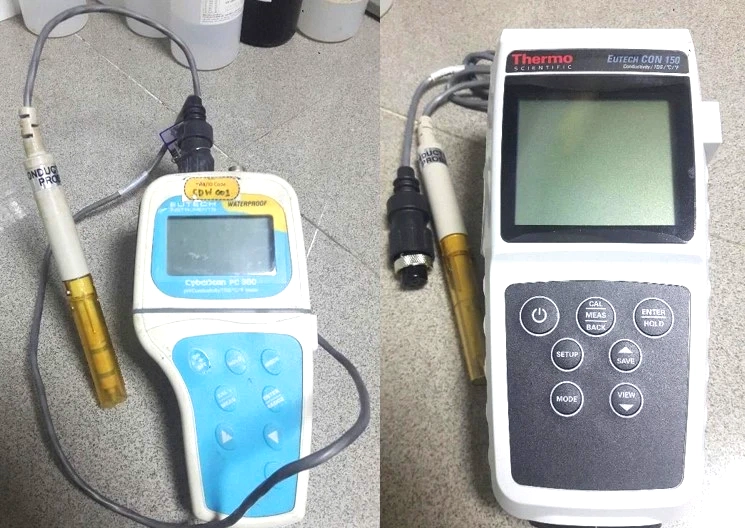
เครื่องมือวัด Process Calibrator หรือ Multifunction Process Calibrator เป็นเครื่องมือวัดค่าและกำเนิดสัญญาณสำหรับการสอบเทียบอเนกประสงค์ เครื่องมือวัด นี้สามารถวัดและกำเนิดสัญญาณได้หลายพารามิเตอร์และให้ผลลัพธ์ที่อ่านค่าหรือตีความได้ทันที ช่วยลดระยะเวลาและปัญหาการสอบเทียบในกระบวนการผลิตจากการใช้เครื่องมือสอบเทียบหลายแบบหลายรุ่นทำให้เกิดความสับสนในการเลือกใช้ และยังสามารถช่วยเพิ่มความคล่องตัวในการสอบเทียบที่ Site งานได้อีกด้วย
คุณลักษณะของ Process Calibrator ในการเป็นเครื่องมือวัดค่า
วัดค่าอุณหภูมิจาก Thermocouple (Type R, S, K, E, J, T, N, B)
วัดค่าอุณหภูมิจาก Resistance Temperature Detector (Pt100, Pt1000, Pt200, Pt500, Cu10, Cu50)
วัดค่าแรงดันไฟ DC
กระแสไฟ DC
ความต้านทานไฟฟ้า
ความต่อเนื่องแบบมีเสียง
ความถี่
สวิทช์
คุณลักษณะของ Process Calibrator ในการเป็นเครื่องกำเนิดสัญญาณ
กำเนิดสัญญาณสำหรับสอบเทียบค่าอุณหภูมิของเทอร์โมคัพเปิ้ล (Thermocouple )Type R, S, K, E, J, T, N, B)
กำเนิดสัญญาณสำหรับสอบเทียบค่าอุณหภูมิของ Resistance Temperature Detector (Pt100, Pt1000, Pt200, Pt500, Cu10, Cu50),
แหล่งกำเนิดแรงดันไฟ DC
แหล่งกำเนิดกระแสไฟ DC
แหล่งกำเนิดความต้านทานไฟฟ้า
แหล่งกำเนิดความต่อเนื่องแบบมีเสียง
แหล่งกำเนิดความถี่
แหล่งกำเนิดสวิทช์
แหล่งกำเนิด Pulse และ Loop
การสอบเทียบ เครื่องมือวัด และบำรุงรักษา Process Calibrator
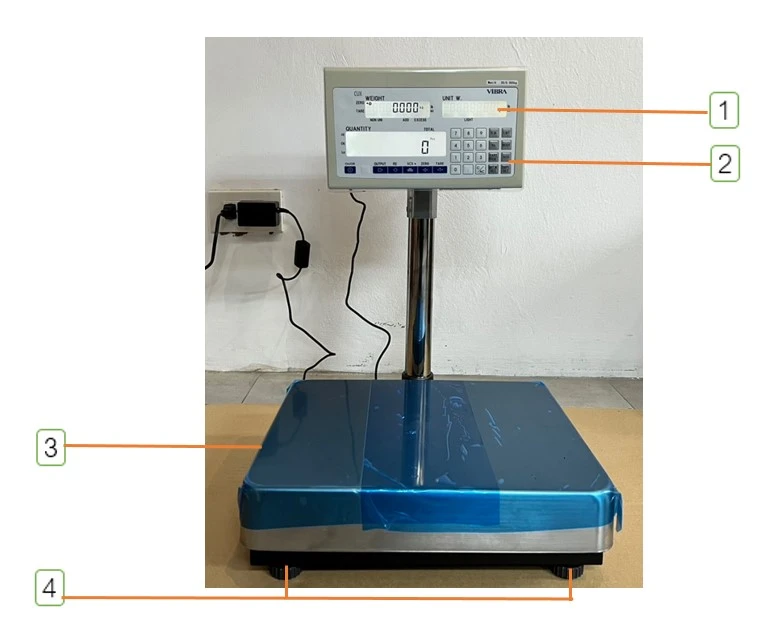
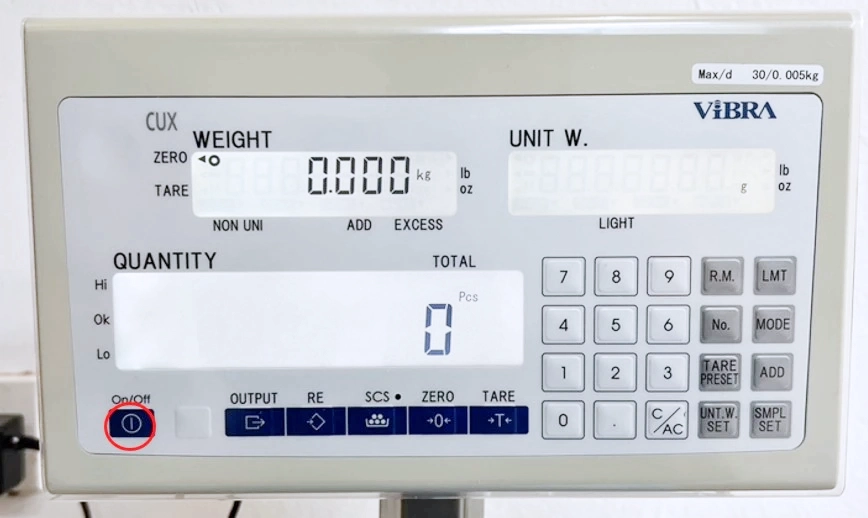
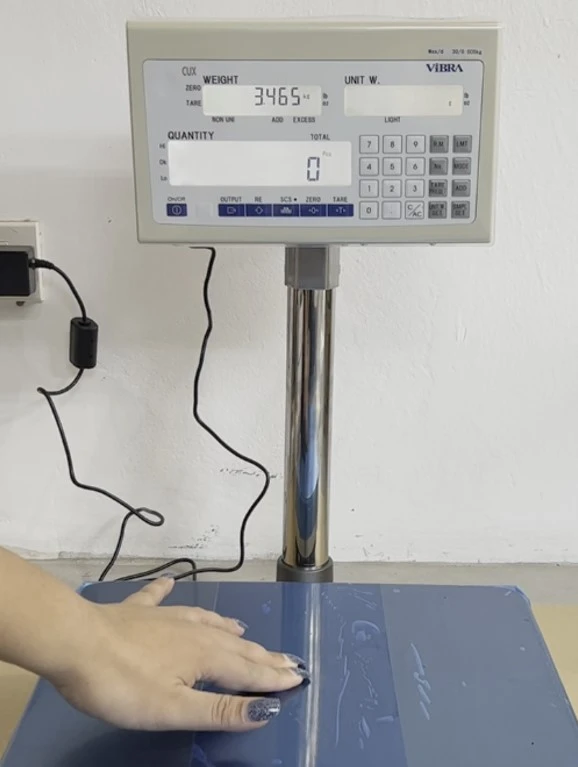
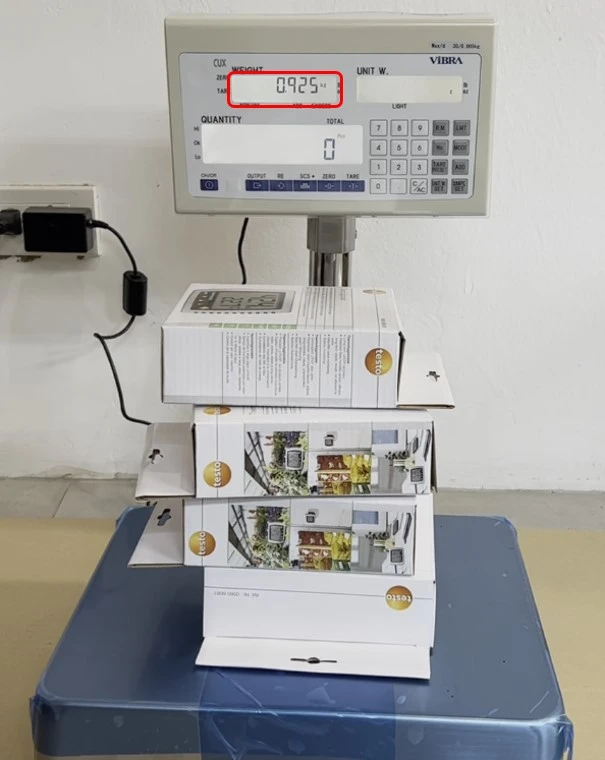
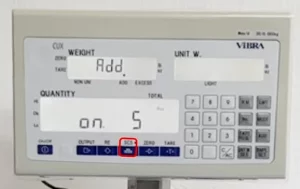
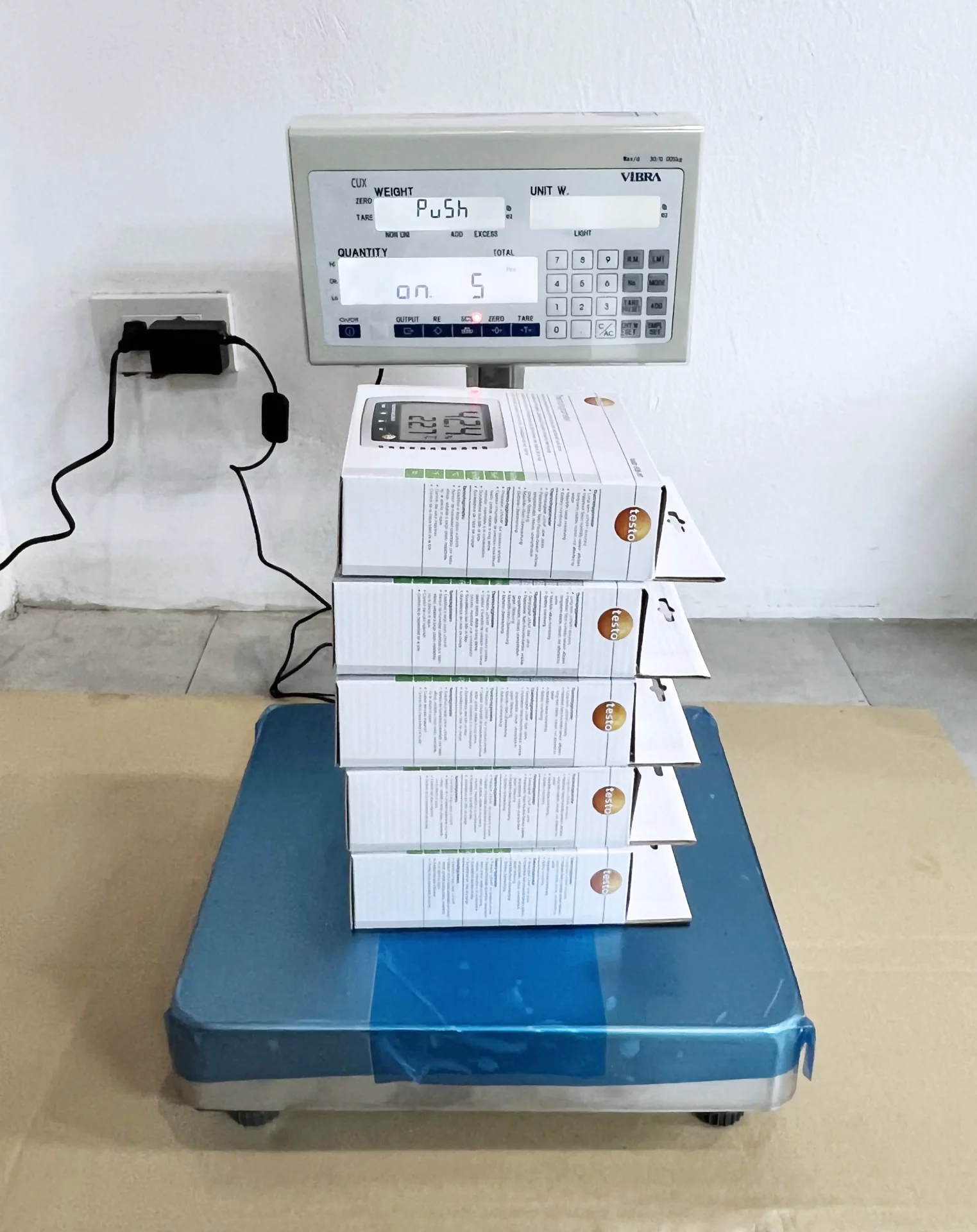
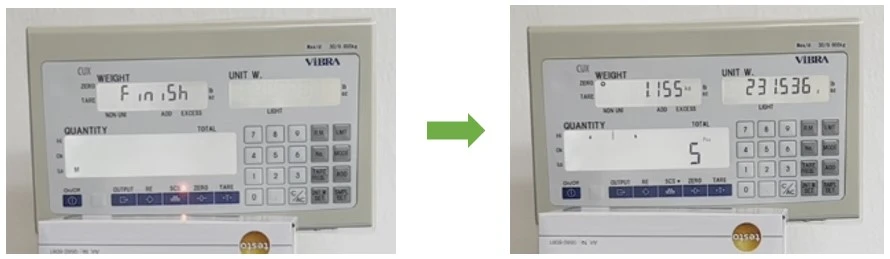
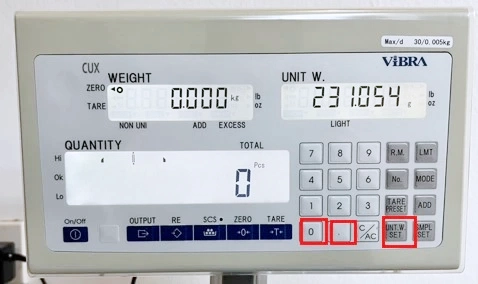
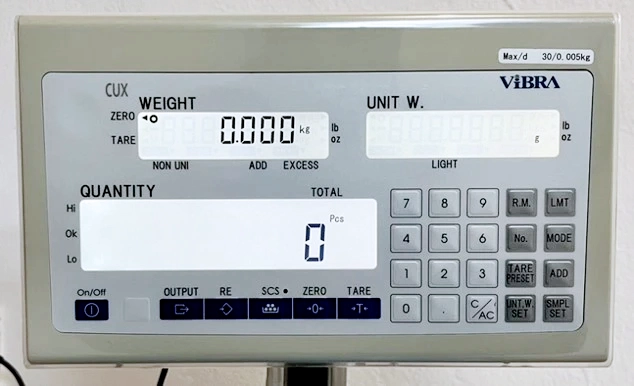
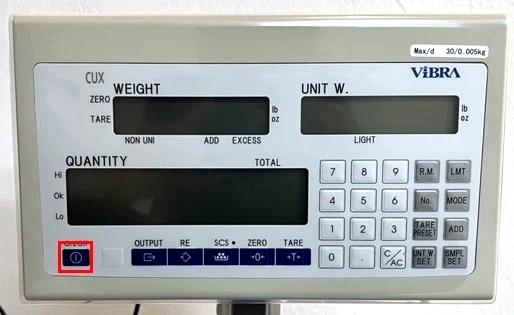
2.4 หลังจากใช้งานเสร็จแล้ว ให้เครียร์หน้าจอการใช้งานช่อง น้ำหนักต่อชิ้น [Unit W.] ให้เป็นศูนย์ [0] โดยการนำชิ้นงานออกจากจานชั่งให้หมดก่อน จากนั้นกดปุ่ม Unit W. SET 1 ครั้ง, กดเลขศูนย์ [0], กดปุ่มจุด [.], กดเลขศูนย์ [0] และกดปุ่ม Unit W. SET อีกรอบตามลำดับ
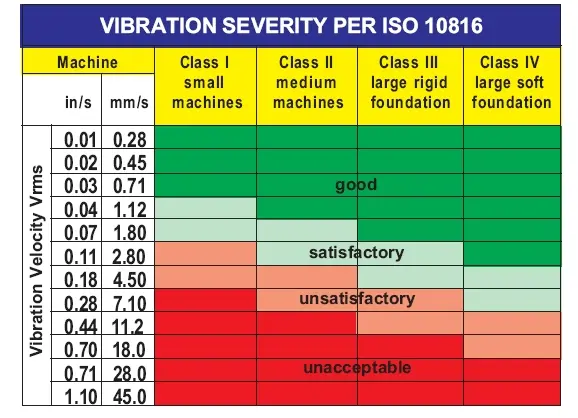
ตามมาตรฐาน ISO 10816 ได้ระบุระดับความรุนแรงของการสั่นสะเทือนที่จำเป็นต้องทำการซ่อมบำรุงไว้ เมื่อเราวัดได้ค่าความสั่นและทราบถึงประเภทของเครื่องจักรของเราแล้ว จะจำแนกเครื่องจักรตาม กำลัง (Power, kW) ของเครื่องจักร โดยแบ่งเป็น 4 class ดังนี้
Class I : สำหรับเครื่องจักรที่มี กำลัง ไม่เกิน 15 kW
Class II : สำหรับเครื่องจักรขนาดกลางที่มี กำลัง ตั้งแต่ 15 kW ถึง 75 kW
Class III : สำหรับเครื่องจักรขนาดใหญ่ที่มีฐานแบบ rigid มี กำลัง ไม่เกิน 300 kW
Class IIII: สำหรับเครื่องจักรขนาดใหญ่ที่ฐานเป็นแบบ soft อาทิ gas turbine, turbo generator ที่มีกำลัง ไม่เกิน 10MW
มาตรฐานโดยทั่วไปที่นิยมใช้ในการวัดความสั่นสะเทือนกันอย่างแพร่หลาย และใช้เป็นตารางสำหรับการอ้างอิงเพื่อเปรียบเทียบการออกแบบและผลิตเครื่องจักร โดยจะใช้การวัดค่าการสั่นสะเทือนแบบโดยรวม ระหว่าง 10-1000 Hz ตามมาตรฐาน ISO 2372-1974 E
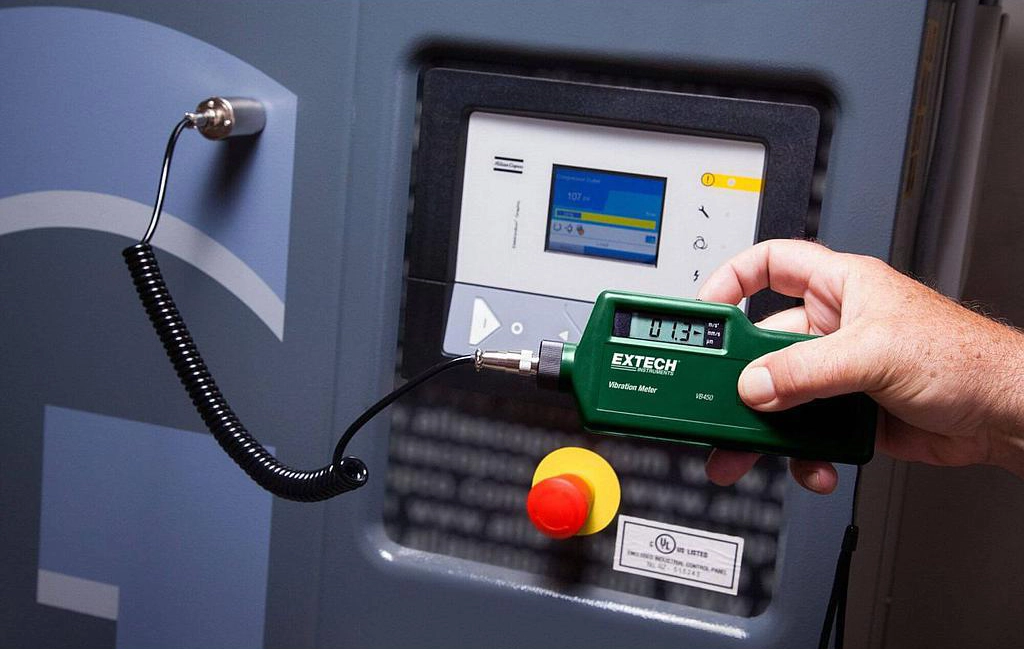
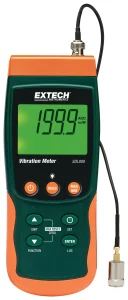
กดปุ่ม POWER เพื่อเปิดมิเตอร์ หากมิเตอร์ไม่เปิดขึ้น ให้ตรวจสอบถ่านแบตเตอรี่ 9V ว่าแบตหมดหรือไม่
หน่วยวัดที่เลือกในปัจจุบันจะแสดงบนจอ LCD ของมิเตอร์ การเปลี่ยนหน่วยการวัดให้กดปุ่ม UNIT ค้างไว้จนได้หน่วยวัดที่ต้องการแล้วปล่อยปุ่ม UNIT มิเตอร์จะเริ่มเลื่อนผ่านหน่วยวัดที่มีอยู่
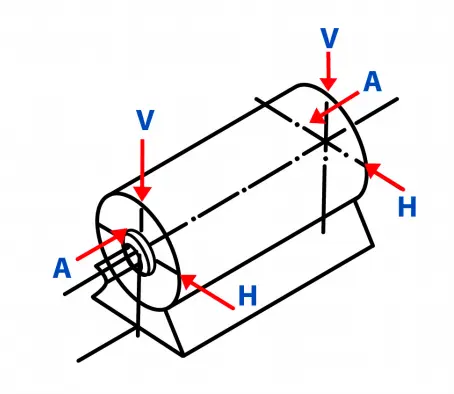
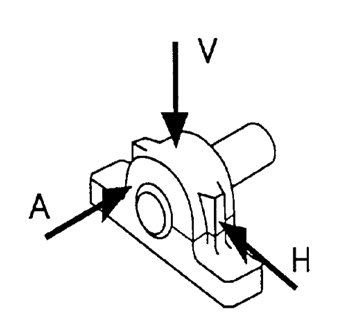
ในการ สอบเทียบเครื่องมือ วัดแรงสั่นสะเทือนจะทำการสอบเทียบโดยวิธี Back to Back ซึ่งทาง CLC มีการตรวจสอบครอบคลุมทุกฟังก์ชั่น ตามมาตราฐาน ISO 5347-3 โดยเราให้บริการสอบเทียบได้ทั้ง Accuracy test, Functional test, Linearity test และ Frequency response
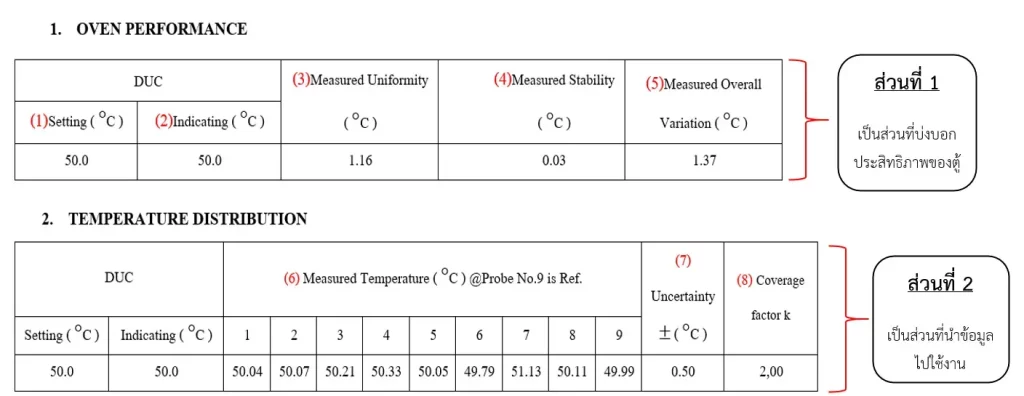
Coverage factor k (ความไม่แน่นอนขยาย) คือ ตัวประกอบครอบคลุม Factor ที่ใช้ในการคำนวณค่าความไม่แน่นอน
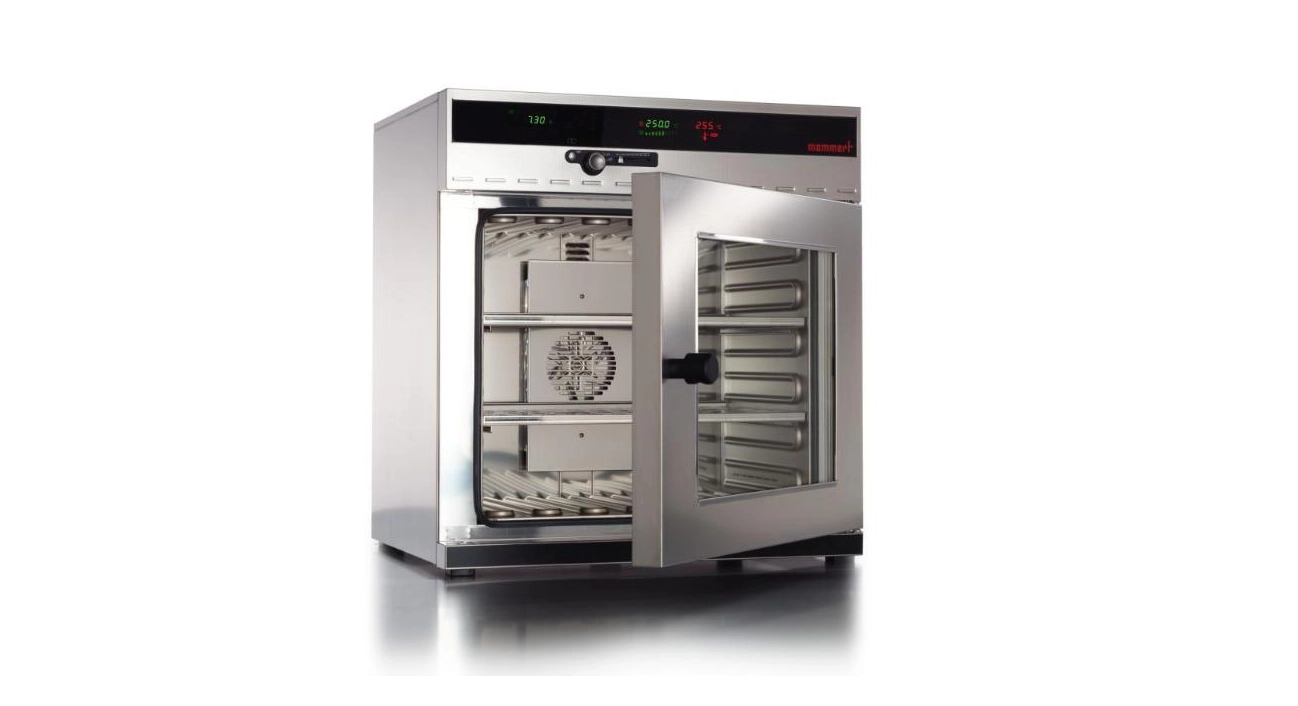
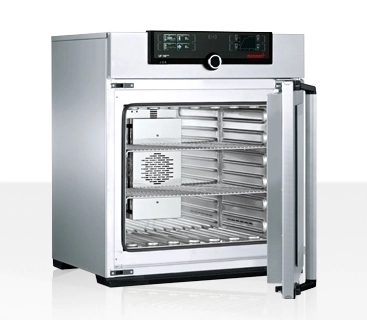
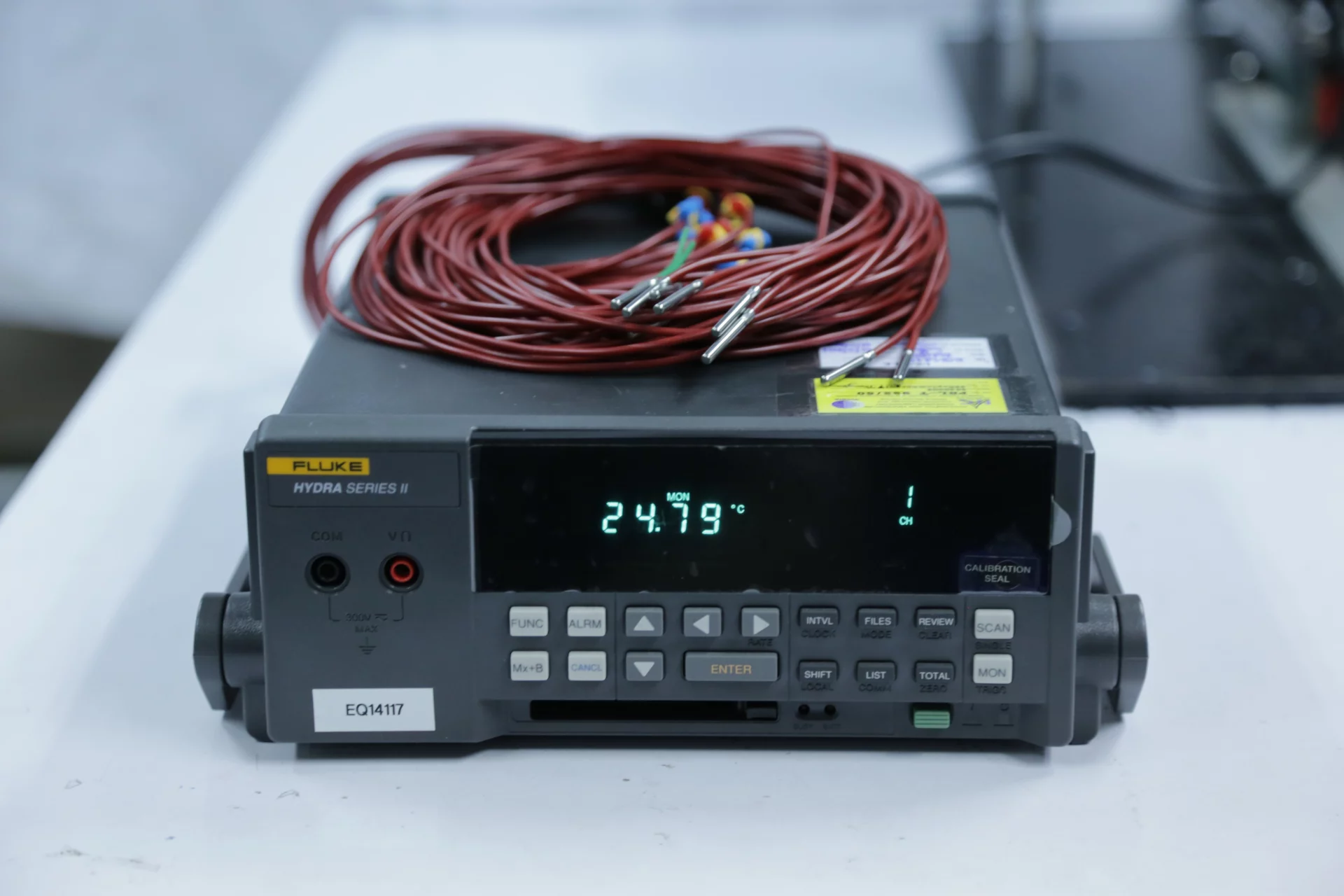
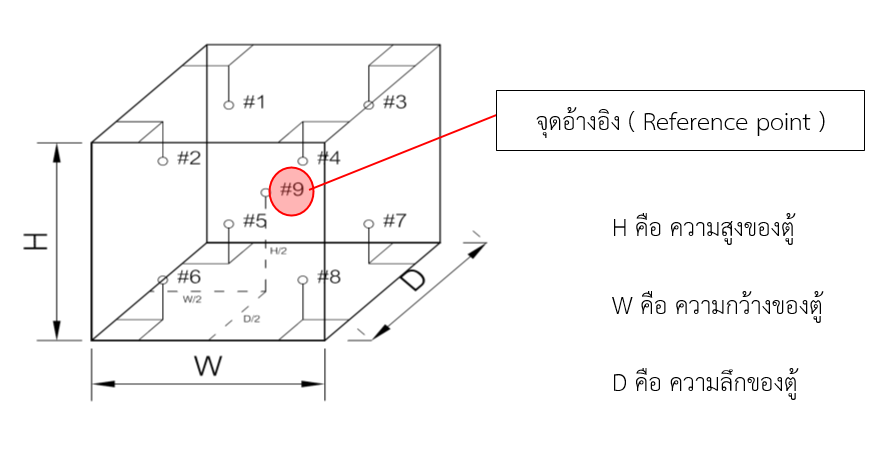
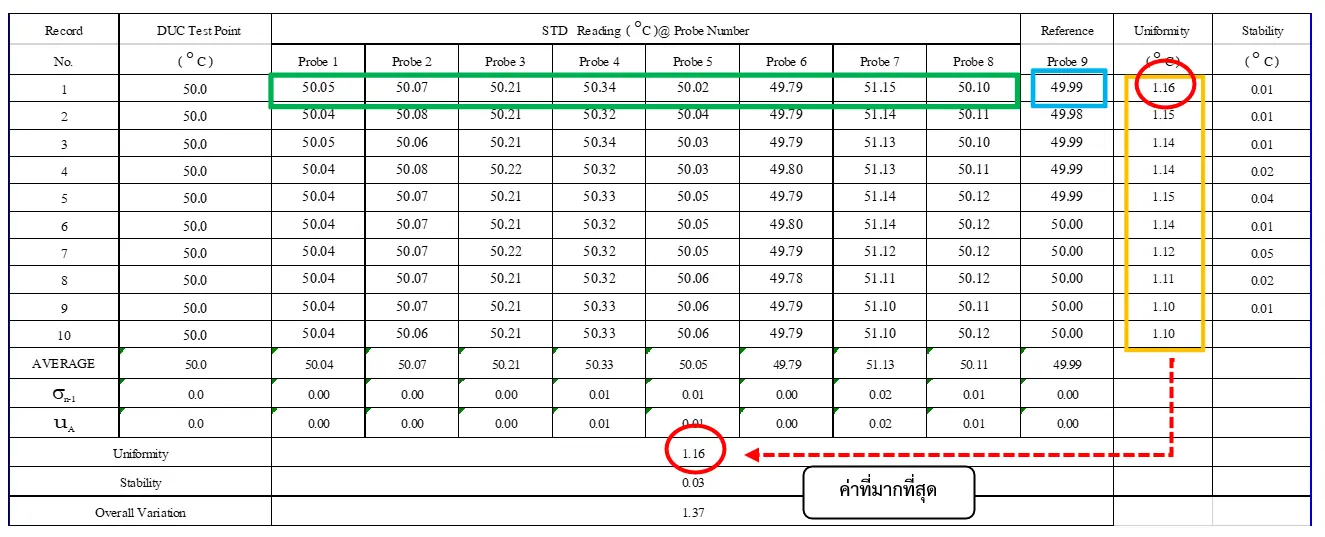
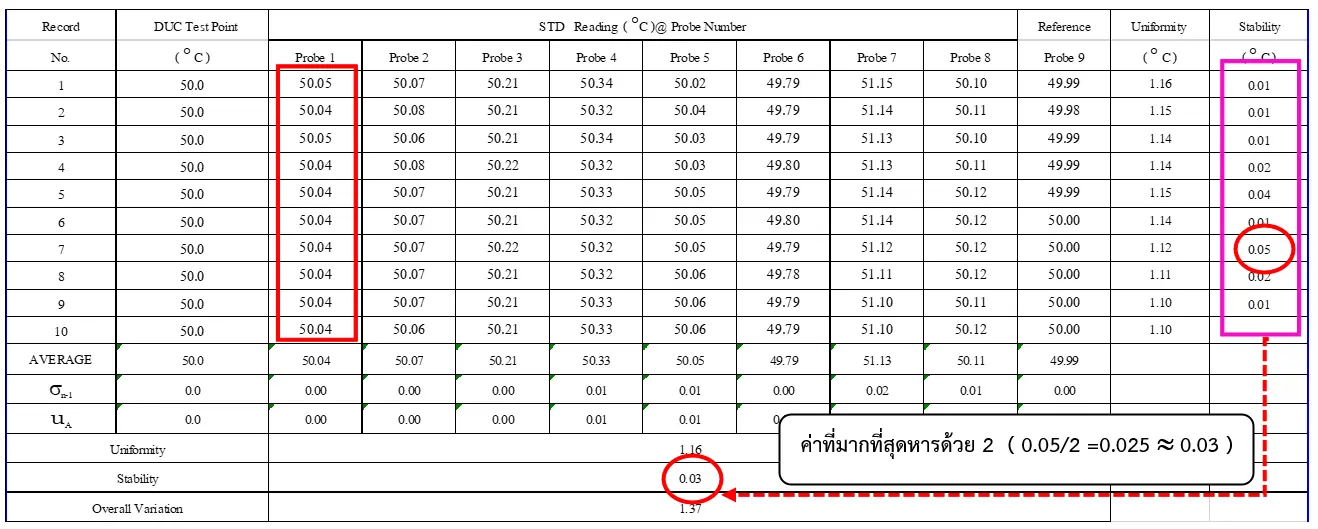
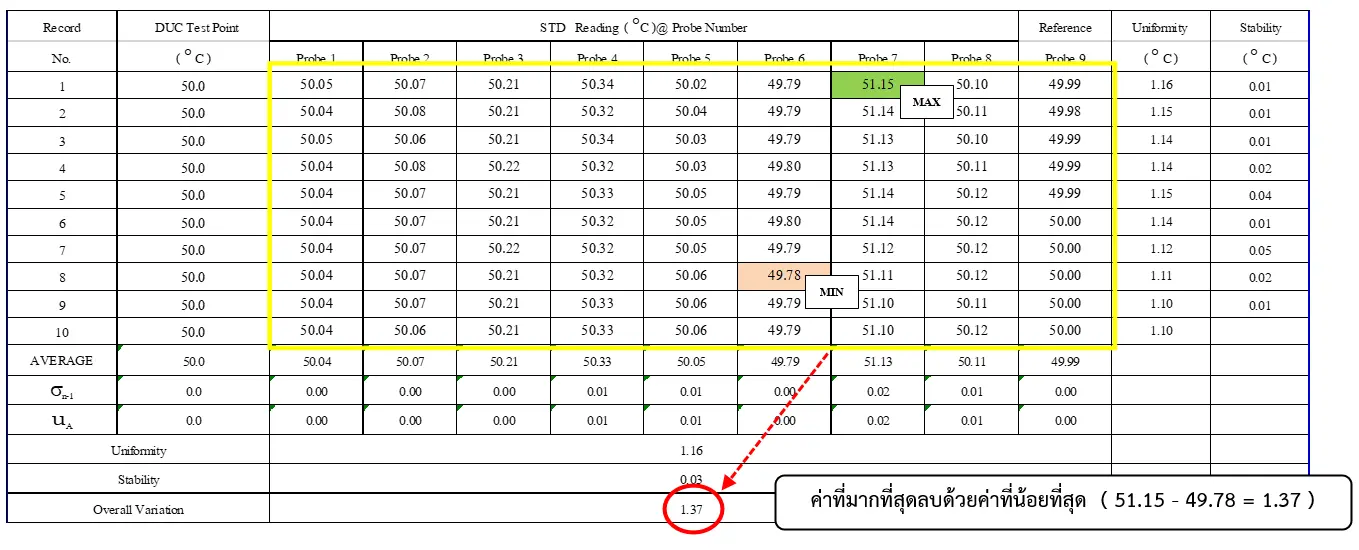
หมายเหตุ DUC ( Device Under Calibration ) หมายถึง เครื่องมือที่อยู่ภายใต้การสอบเทียบ Temperature Enclosures (Oven)
การนำค่าจากใบรายงานผลการสอบเทียบไปใช้งาน
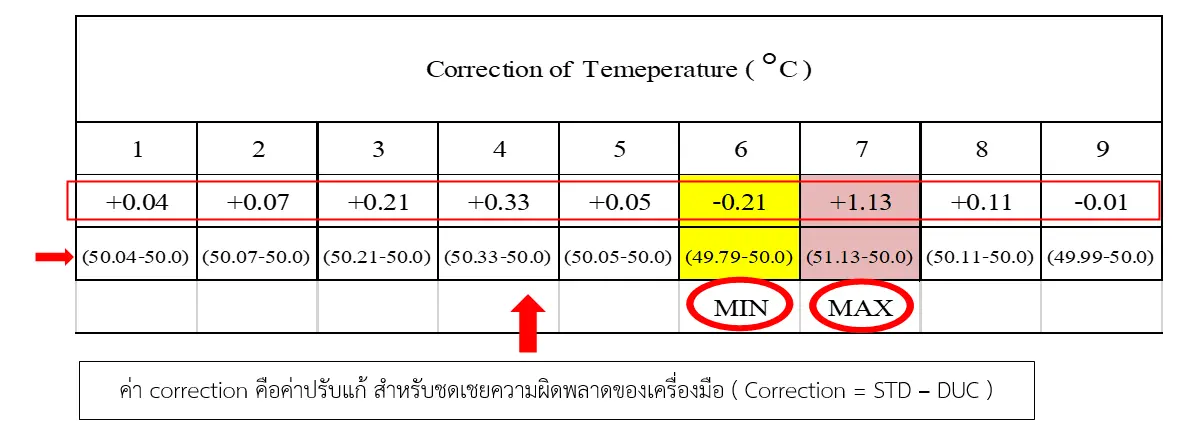
Ex. สอบเทียบที่ 50 °C เกณฑ์การยอมรับ ± 2 °C
การหาค่า Correction ของเครื่องมือ
นำค่า Correction รวมกับ Uncertainty
จากการหาค่า Correction ของ เครื่องมือวัด จะพบว่าผลการสอบเทียบที่มีความแตกต่างมากที่สุดคือค่า MAX +1.13 °C โดยให้นำมารวมกับค่า Uncertainty (ค่าความไม่แน่นอนของการสอบเทียบ) 0.50 °C จะมีค่าเท่ากับ 1.63 °C นำไปเทียบกับเกณฑ์การยอมรับ ± 2 °C จะพบว่าอยู่ในเกณฑ์ที่กำหนด จึงตัดสินได้ว่าผ่านการประเมิน
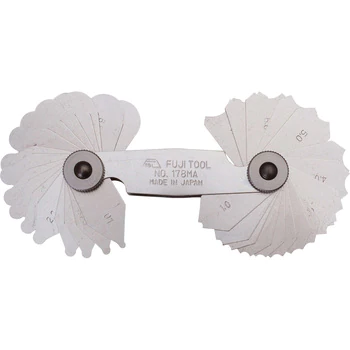
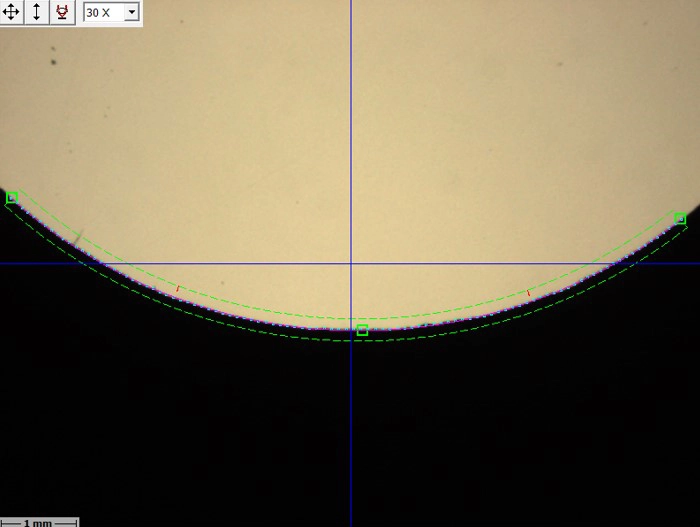
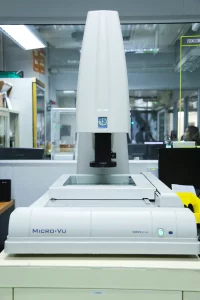
การให้บริการสอบเทียบขนาด Radius Gauge ของ CLC จะใช้วิธีการเปรียบเทียบค่ากันระหว่างเส้น Profile Radius Gauge ที่สร้างจากเครื่อง Standard Vision Auto Measuring Instrument กับเส้น Profile Radius ของ Radius Gauge ที่แสดงบนหน้าจอในโปรแกรมของ Standard Vision Auto Measuring Instrument และทำการอ่านค่ารัศมีที่แสดงบนหน้าจอ
ขั้นตอนการ สอบเทียบเครื่องมือวัด เกจวัดรัศมี
ทำความสะอาด Radius Gauge ที่ต้องการสอบเทียบด้วยแอลกอฮอล์เพื่อขจัดคราบน้ำมันและสิ่งสกปรกและทิ้งไว้ในอุณหภูมิ 20+1 °C ประมาณ 1ชั่วโมงก่อนทำการสอบเทียบ
ทำการสอบเทียบโดยการนำ Radius Gauge วางลงบนเครื่อง Standard Vision Auto Measuring Instrument และทำการวัดโดยการลากเส้น Radius Gauge ของ Program จากเครื่องมือ Standard ไปทาบบนเส้นรัศมีของ Radius Gauge และอ่านค่ารัศมีที่อ่านได้จากเครื่อง Standard Vision Auto Measuring Instrument
เครื่องมือ STD ของเรา
Standard Vision Auto Measuring Instrument ของ CLC มีค่าความละเอียดสูงที่สุดเท่ากับ 0.0001 mm มีอัตราการขยายของกล้องเลนส์สูงถึง 544X และมีค่าความคลาดเคลื่อนต่ำส่งผลให้มีความแม่นยำค่อนข้างสูงมีค่า Uncertainty เล็ก สามารถทำให้ผู้ใช้งานสามารถเชื่อมั่นและสามารถใช้ค่าสอบเทียบได้อย่างมั่นใจว่างานมีคุณภาพ และวิธีการสอบเทียบเครื่องมือวัด Radius Gauge จาก Calibration Laboratory ยังได้รับการรับรองมาตรฐานการสอบเทียบ ISO17025:2017 จากสมอ. และ ANAB อีกด้วย
We use cookies on our website to give you the most relevant experience by remembering your preferences and repeat visits. By clicking “Accept All”, you consent to the use of ALL the cookies. However, you may visit "Cookie Settings" to provide a controlled consent. อ่านเพิ่มเติม
This cookie is set by GDPR Cookie Consent plugin. The cookie is used to store the user consent for the cookies in the category "Analytics".
cookielawinfo-checkbox-functional
11 months
The cookie is set by GDPR cookie consent to record the user consent for the cookies in the category "Functional".
cookielawinfo-checkbox-necessary
11 months
This cookie is set by GDPR Cookie Consent plugin. The cookies is used to store the user consent for the cookies in the category "Necessary".
cookielawinfo-checkbox-others
11 months
This cookie is set by GDPR Cookie Consent plugin. The cookie is used to store the user consent for the cookies in the category "Other.
cookielawinfo-checkbox-performance
11 months
This cookie is set by GDPR Cookie Consent plugin. The cookie is used to store the user consent for the cookies in the category "Performance".
viewed_cookie_policy
11 months
The cookie is set by the GDPR Cookie Consent plugin and is used to store whether or not user has consented to the use of cookies. It does not store any personal data.
Used to distinguish users and sessions. The cookie is created when the javascript library executes and no existing __utma cookies exists. The cookie is updated every time data is sent to Google Analytics.
__utmb
30 mins
Used to determine new sessions/visits. The cookie is created when the javascript library executes and no existing __utmb cookies exists. The cookie is updated every time data is sent to Google Analytics.
__utmc
End of browser session
Using by Google Analytics. Not used in ga.js. Set for interoperability with urchin.js. Historically, this cookie operated in conjunction with the __utmb cookie to determine whether the user was in a new session/visit.
__utmv
2 years
Used to store visitor-level custom variable data. This cookie is created when a developer uses the _setCustomVar method with a visitor level custom variable. This cookie was also used for the deprecated _setVar method. The cookie is updated every time data is sent to Google Analytics.
__utmz
6 months
Stores the traffic source or campaign that explains how the user reached your site. The cookie is created when the javascript library executes and is updated every time data is sent to Google Analytics.
message
-
This cookie is used to identify a website visitor that logged in or not. It contains a token that is used to know the website visitor status.